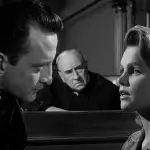
The courtroom is a cinematic goldmine for its many dramatic elements. The high stakes of someone’s life on the line. The terminated life of someone else requiring proper justice. The sleepless nights and legal research that both sides have to dig through to prepare their case. The endless supply of surprise witnesses giving unpredictable testimony. The examination and cross-examination of these witnesses. The battles and objections between prosecution and defense. The rulings and overrulings of judges. The unpredictability of the jurors. And the final climatic reading of the verdict. It’s all real and perfect for the movies.
In most cases, these elements file into a one-sided construct, placing audiences in favor of one particular side (either defense or prosecution) and allowing the drama to unfold as a function of the case. This tried-and-true approach has worked brilliantly from Inherit the Wind to A Few Good Men to Philadelphia. But there’s also something to be said for a film like Anatomy of a Murder, which baits viewers into believing it’s a standard courtroom drama, only to reveal itself as something much deeper with no easy answers. Even after the verdict has been read and the characters have happily moved on with their lives, viewers are left wondering whether their initial sympathies were correct, and more importantly, whether justice was actually served. Continue reading